
What to Look For in Antique Longcase and Railway Clocks
Antique clocks deserve more than a quick glance. Antique longcase clocks combine furniture, dial and mechanism in one tall structure, while antique railway clocks rely on legibility, robust construction and a credible connection with public timekeeping.
For anyone reviewing antique clocks for sale, the most useful clues are found in the relationship between components. A good clock should make sense as a complete object, even when normal servicing and sympathetic restoration have taken place.
Look first at proportion
A longcase clock should feel balanced from hood to base. The hood frames the dial, the trunk encloses the pendulum and weights, and the base anchors the cabinet. Regional designs vary widely, but well-made cases usually possess a clear visual rhythm.
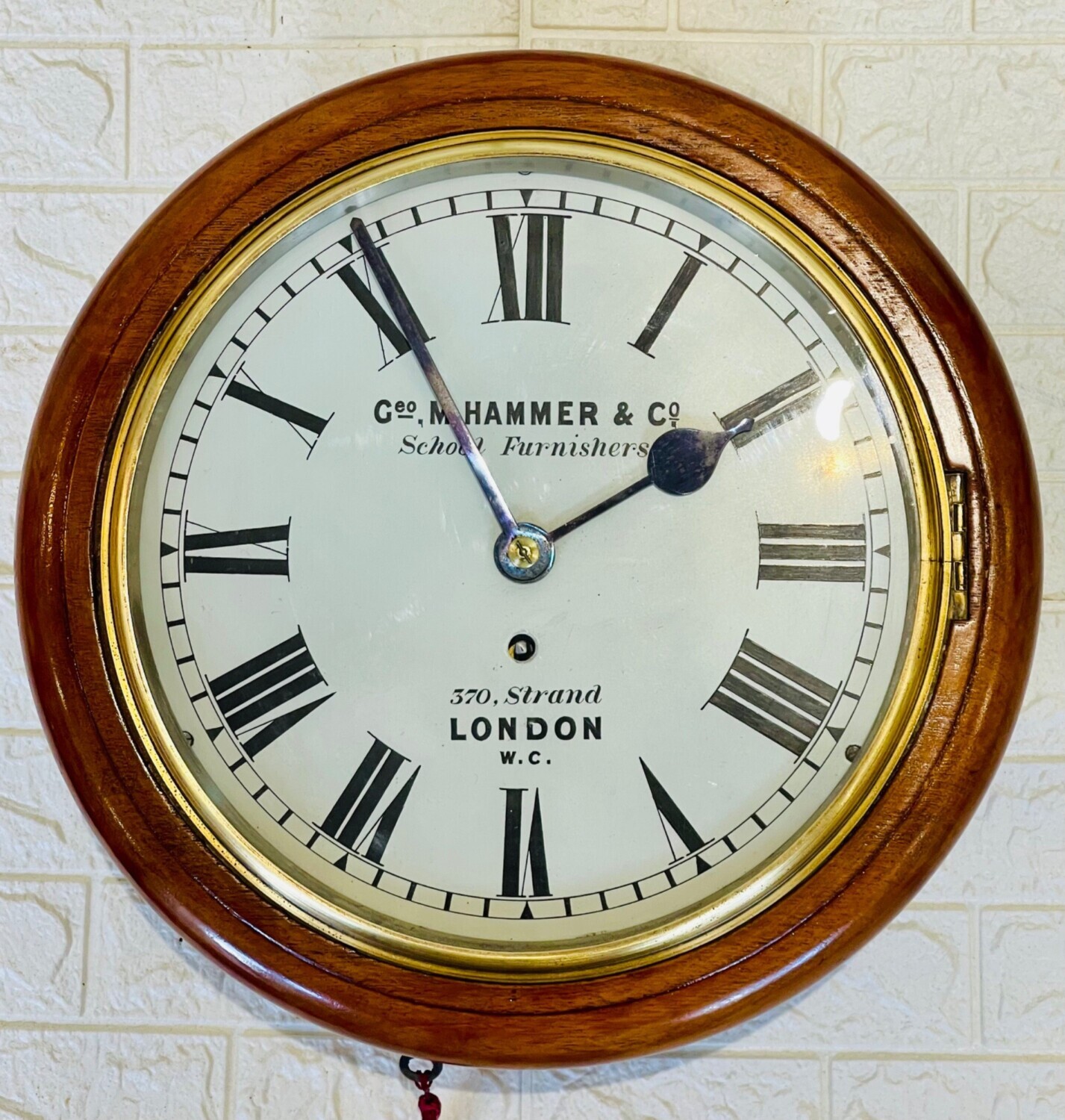
Railway clocks use proportion to serve visibility. Numerals, hands and minute tracks should be strong enough to read from a distance, while the case remains simple and practical. This directness gives genuine railway clocks their lasting modern appeal.
Study the longcase cabinet
Oak, walnut and mahogany can help indicate period, region and intended market. Veneers, crossbanding, stringing, inlay, mouldings and columns reveal the cabinetmaker’s choices, while plainer cases may show quality through construction and restrained design.
Look for consistent colour and wear. Fresh timber around joints, mismatched mouldings or unexpected screw holes may indicate alteration. Old repairs are common, but they should stabilise the case without erasing its character.
Check dial style and fit
Brass longcase dials may include silvered chapter rings, cast spandrels, subsidiary seconds and date apertures. Painted dials brought flowers, landscapes and figures into the design. These Scottish painted dial longcase clocks demonstrate how regional decoration can become a major part of a clock’s identity.
The dial should fit comfortably in the hood, with winding holes properly aligned to the movement. Altered seat boards, unused holes or awkward spacing can show that components were associated later.
Ask for evidence of railway use
A railway-style dial does not automatically prove railway history. Maker’s names, movement marks, case stamps, inventory numbers, company identifiers and provenance should support one another.
Research into makers can add valuable context. The history and legacy of John Walker helps explain why documented clocks by recognised railway suppliers attract interest.
Ask whether the dial has been repainted and whether the movement belongs to the case. An honest description should distinguish confirmed evidence from informed attribution.
Understand restoration and service
Mechanical clocks require maintenance. Pivots, bushes, lines, springs and suspension parts wear through use and may need careful repair or replacement. Skilled servicing preserves the movement and supports reliable operation.
Cosmetic restoration requires restraint. Mellow timber, small marks and gentle fading often provide useful evidence of age. Aggressive sanding, heavy varnish or extensive repainting may remove that evidence.
Request the date and details of recent work. Service records and restoration notes help future owners understand the clock and plan appropriate care.
Think about daily ownership
A longcase clock needs adequate ceiling height, a level floor and clearance for its door, pendulum and weights. Professional delivery and setup are worthwhile because the clock must stand correctly in beat.
A railway clock requires secure wall fixings and enough open space around its dial. Keep mechanical clocks away from persistent damp, strong heat and heavy vibration.
Consider tick, strike and winding routine before buying. These sounds and interactions become part of everyday life with the clock.
Compare antique clocks for sale carefully
Useful listings provide accurate measurements, movement photographs, service information, restoration details and any known provenance. A selection of antique clocks for sale with Clockwise allows buyers to compare form, condition and quality with specialist guidance.
Price should reflect craftsmanship, integrity, rarity, condition and history together. A modest clock with compatible parts and honest wear may be preferable to an elaborate example with uncertain origins.
Let the whole clock tell the story
Look closely at how the dial meets the case, how the movement is supported and whether wear appears consistent. Ask direct questions and keep every document supplied with the clock.
Whether choosing a longcase clock for its architectural warmth or a railway clock for its purposeful clarity, confidence comes from understanding the complete object. The strongest examples continue to reveal their quality long after the first impression.