
The Details That Matter When Buying an Antique Clock
The difference between an attractive antique clock and a truly satisfying one often lies in the details. Antique longcase clocks combine cabinetmaking, dial design and pendulum mechanics, while antique railway clocks rely on clarity, robust construction and credible historical associations.
When studying antique clocks for sale, buyers should look beyond age and appearance. The relationship between case, dial and movement, together with condition and provenance, provides the clearest guide to quality.
Begin with overall proportion
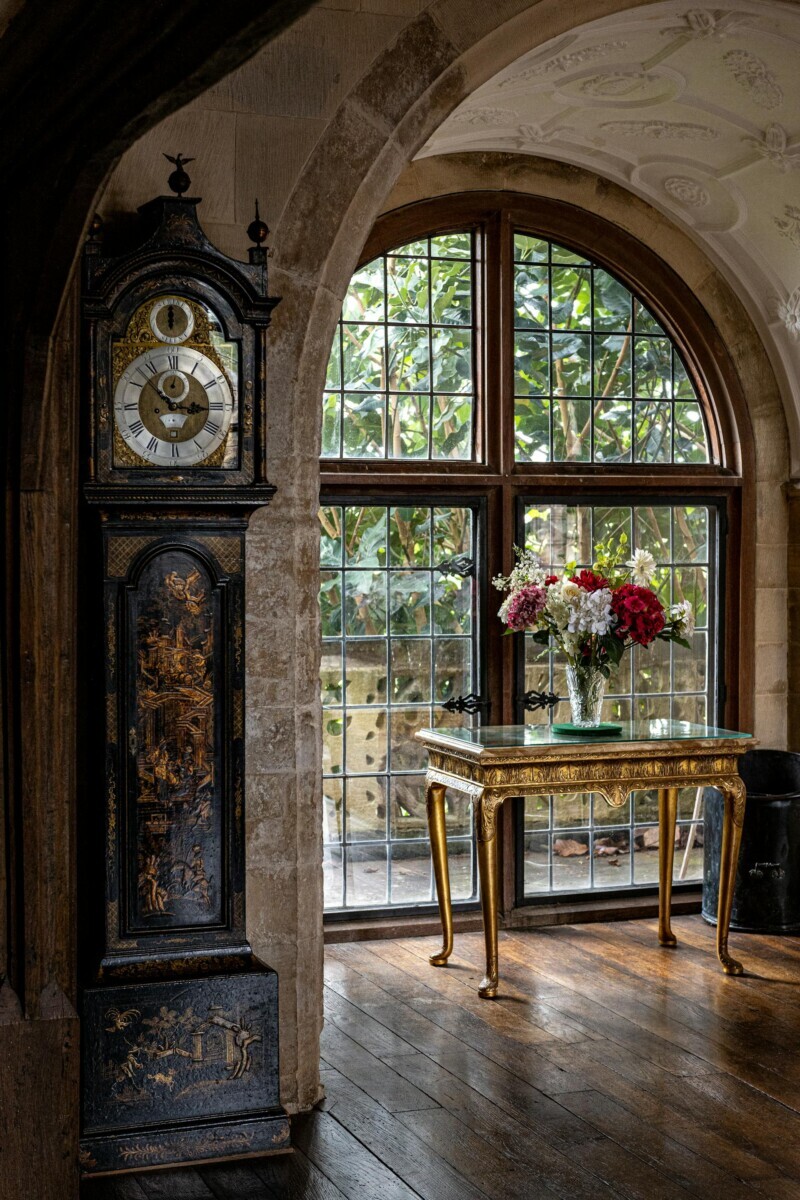
A longcase clock should feel balanced from hood to base. The hood frames the dial, the trunk houses the pendulum and weights, and the base gives the tall cabinet visual stability. Individual regional styles vary, but successful proportions make every section appear intentional.
Railway clocks use proportion differently. Their numerals, minute tracks and hands needed to remain legible at a distance. The case supports this clear face rather than competing with it, creating a direct design that still suits modern rooms.
This comparison of longcase and railway clocks for today’s collector offers more context for the two distinct traditions.
Examine timber and cabinet construction
Oak, walnut and mahogany can each help indicate the period, origin and intended market of a longcase clock. Veneers, crossbanding, stringing, inlay, columns and mouldings reveal cabinetmaking skill, while simpler cases may show excellent regional workmanship through construction and proportion.
Look for consistent colour and wear. Fresh timber around joints, unexpected screw holes or mismatched mouldings may indicate later alteration. Old repairs are common, but they should be structurally sensible and honestly described.
A heavily sanded or thickly varnished case may have lost much of its historic surface. Mellow colour, minor marks and gentle wear often contribute more character than a newly polished finish.
Check the dial and movement together
Brass longcase dials may feature silvered chapter rings, applied spandrels, subsidiary seconds and calendar apertures. Painted dials can carry flowers, landscapes and figurative scenes. In either case, the dial should fit the hood naturally and align precisely with the movement.
Altered seat boards, unused holes or awkward spacing can suggest that the movement, dial and cabinet were associated later. An associated clock can still be decorative and functional, but its description and price should reflect the change.
Look for evidence on railway clocks
A railway-style face is not proof of railway service. Maker’s signatures, movement marks, case stamps, inventory numbers, company identifiers and documentary provenance should reinforce one another.
A rare John Walker railway clock demonstrates how maker, construction and railway context can produce a convincing historical object. Ask whether the dial has been repainted and whether the movement belongs to the case.
Reproduction dials and clocks assembled from unrelated parts exist, so evidence should be considered as a group rather than relying on one name or mark.
Understand normal mechanical work
Mechanical clocks require service. Pivots, bushes, lines, springs and suspension components wear through use and may need repair or replacement. Sensitive work by an experienced clockmaker protects the movement and allows it to continue operating safely.
Ask when servicing took place, what was completed and whether records are available. A movement that merely looks clean has not necessarily received a thorough overhaul.
Restoration is best judged by its purpose and quality. Work that stabilises a case or preserves a dial can be beneficial; intervention that disguises changes or removes original material deserves caution.
Consider placement and daily use
A longcase clock requires enough ceiling height, a level floor and clearance for its door, pendulum and descending weights. Professional delivery and setup help ensure that it is correctly placed in beat.
A railway clock needs secure wall fixings and sufficient open space for the dial to remain readable. Keep mechanical clocks away from persistent damp, excessive heat and strong vibration.
Sound matters too. Listen to the tick and strike, ask about winding frequency and decide whether the clock’s daily presence will suit the intended room.
Compare antique clocks for sale carefully
Good listings include exact dimensions, movement photographs, service information, restoration details and any known provenance. Browsing several antique clocks for sale helps buyers understand how condition, craftsmanship, rarity and integrity affect price.
A famous name does not compensate for mismatched components. A modest but harmonious clock with honest wear may provide greater long-term pleasure than an elaborate example with an uncertain history.
Small details support confident choices
Take time to inspect how the dial fits, how the cabinet has aged and whether the movement supports the stated identity. Ask direct questions and retain all restoration and service records.
The right antique clock should continue to reward close attention after the first impression. Whether it is a tall domestic timekeeper or a clear station clock, its finest details connect good design with the purpose for which it was made.